Nội dung chính
Vietnam’s electronics sector shattered export records in 2025, delivering $107.74 billion—up 48.4% YoY. This unprecedented growth propelled the country’s total export value to $475 billion, cementing electronics as the engine of trade expansion.
Record‑Breaking Export Performance
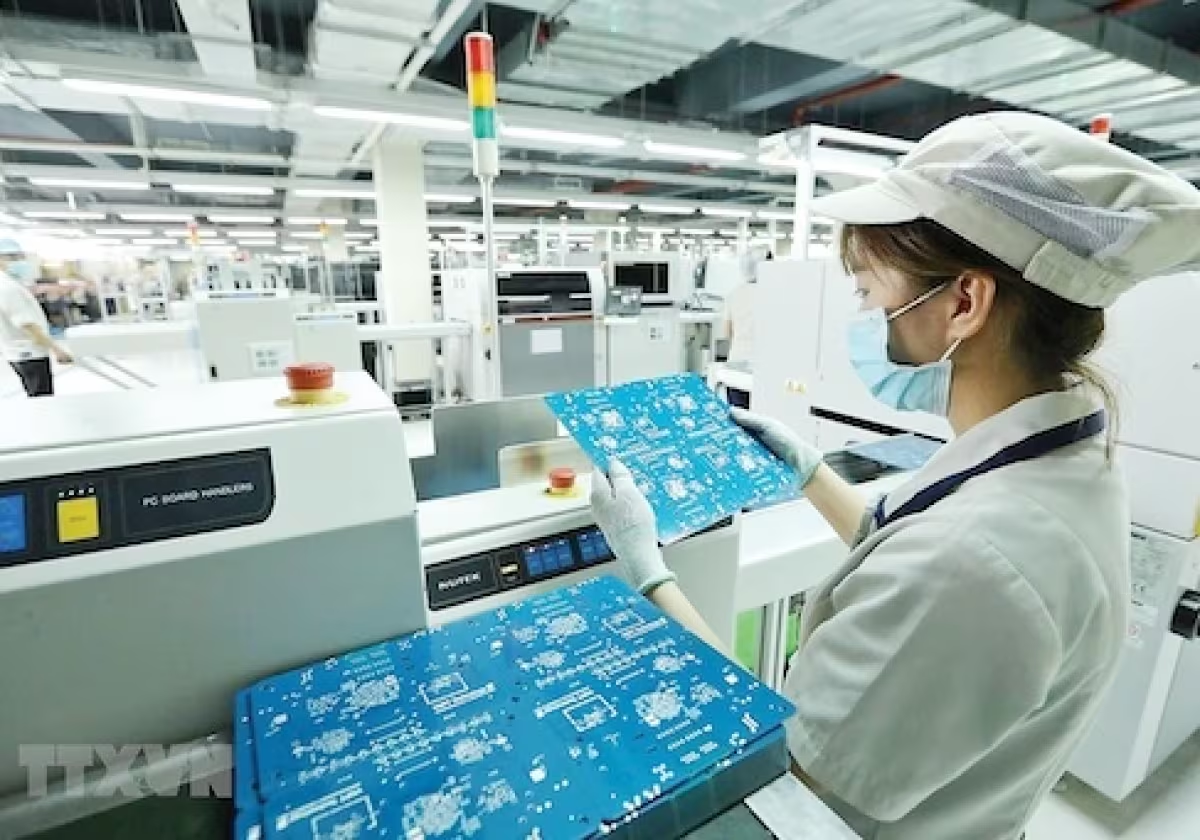
The National Statistics Office (NSO) reported that electronics, computers and components generated $107.74 billion in export turnover, a 48.4% increase over 2024 and more than $35 billion higher in absolute terms. Combined with phone‑related products, the two groups pushed total electronics‑related exports beyond $164.4 billion – the highest figure ever recorded for Vietnam.
Why the sector surged
- Foreign direct investment (FDI): Major players such as Samsung, LG, Intel, Foxconn, Canon and Goertek expanded production lines, turning Vietnam into a regional manufacturing hub.
- Global demand recovery: Post‑pandemic consumption spikes in the United States, China, the EU, Japan and South Korea lifted order books.
- Supply‑chain positioning: Vietnam now ranks among the world’s top‑10 electronics exporters, linking multinational corporations to Southeast Asian markets.
Impact on the trade balance
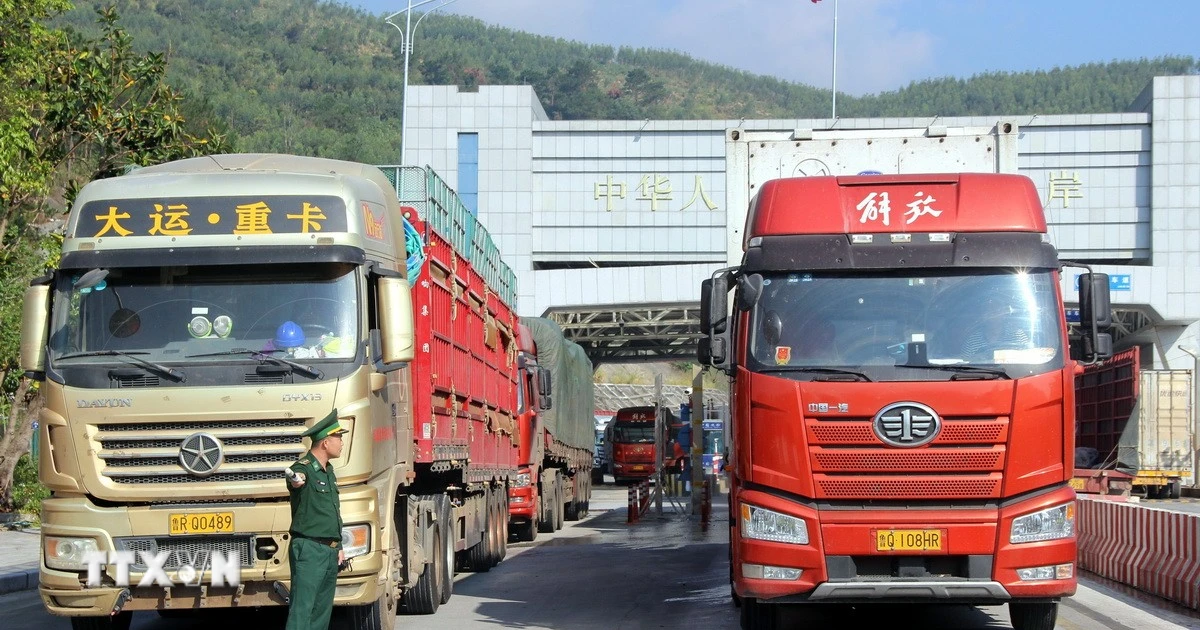
Electronics exports accounted for roughly 22.6% of Vietnam’s total $475 billion export basket in 2025. Meanwhile, imports rose to $150.7 billion—up 40.7% YoY—highlighting a widening but still manageable trade surplus driven by high‑value electronic goods.
Challenges Looming Ahead
Despite the boom, the sector faces structural issues:
- Heavy reliance on imported components and raw materials, which compresses margins.
- Domestic firms remain concentrated in low‑value‑added assembly stages, with localisation rates still modest.
- Information asymmetry between foreign‑invested enterprises and local suppliers hampers efficient partner matching.
Strategic Recommendations
To sustain momentum, Vietnam should:
- Invest in R&D and higher‑value product design to move up the value chain.
- Accelerate localisation of critical components through incentives for domestic manufacturers.
- Build a robust data platform that maps supply‑chain gaps and connects local SMEs with multinational buyers.
- Develop skilled labour pipelines in advanced electronics engineering and production management.
Broader Economic Context
The electronics boom mirrors growth in other export‑driven sectors. For instance, Vietnam’s seafood exports surpassed $11 billion in 2025, and the textile & apparel industry is on track to reach $46 billion in export earnings. Together, these sectors reinforce Vietnam’s shift from a low‑cost manufacturing base to a diversified, high‑growth economy.
As geopolitical tensions reshape global supply chains, Vietnam’s ability to attract high‑tech FDI and upgrade its domestic capabilities will determine whether it remains a mere assembly hub or graduates to a full‑stack electronics powerhouse.